Which Window Tint Is Best for UV Protection for Cars Today? A 2026 Guide for East Tennessee Drivers
The best window tint for UV protection is a high-quality film from an established manufacturer that blocks more than 99% of UVA and UVB rays. Most drivers will get the best overall value from ceramic film, because it pairs that 99%+ UV protection with strong heat rejection. Drivers who want UV protection without a darker look should consider a nearly clear ceramic film.
The most important thing to know is that UV protection doesn't depend on how dark the tint is. A nearly clear premium film can block just as much UV as a dark one. What matters is the quality of the film, its UV-blocking layers, and the installation.
For drivers in Athens and across East Tennessee, long commutes on I-75, US-411, and the back roads around Etowah, Sweetwater, and Madisonville mean hours of sun exposure every week. This guide explains how UV reaches you inside your car and how each type of tint compares. It also covers what to look for on a spec sheet and which film fits your driving.
Why UV Protection Matters Inside Your Car
Most people think the car protects them from the sun. It does, partly. But the protection is uneven, and the gaps matter more than you might expect.
UVA vs. UVB: What Gets Through Your Windows
Sunlight contains two types of ultraviolet radiation that affect your skin:
| UV Type | What It Does | Blocked by Standard Car Glass? |
|---|---|---|
| UVB | Causes sunburn; contributes to skin cancer | Mostly blocked by all automotive glass |
| UVA | Penetrates deep into skin; causes premature aging and contributes to skin cancer | Only partly blocked by side and rear windows |
Because glass blocks most UVB, you rarely get sunburned in a car. That creates a false sense of security. UVA rays still reach your skin, and their damage is cumulative. It builds quietly over years of daily driving.
Your Car's Windows Don't Protect You Equally
Different windows in your vehicle are made from different types of glass:
| Window | Glass Type | UVA Protection Without Film |
|---|---|---|
| Windshield | Laminated glass with a plastic interlayer | High; blocks most UVA |
| Front side windows | Usually tempered glass | Partial; varies widely by vehicle |
| Rear side and back windows | Usually tempered glass | Partial; varies widely by vehicle |
| Factory privacy glass | Tinted tempered glass | Partial; darker, but not a full UV barrier |
Research published in JAMA Ophthalmology in 2016 found that windshields blocked an average of about 96% of UVA. Front side windows averaged roughly 71%, and some vehicles were as low as 44%. That means the windows right next to your face and arms are often the weakest link.
The Left-Side Skin Damage Pattern
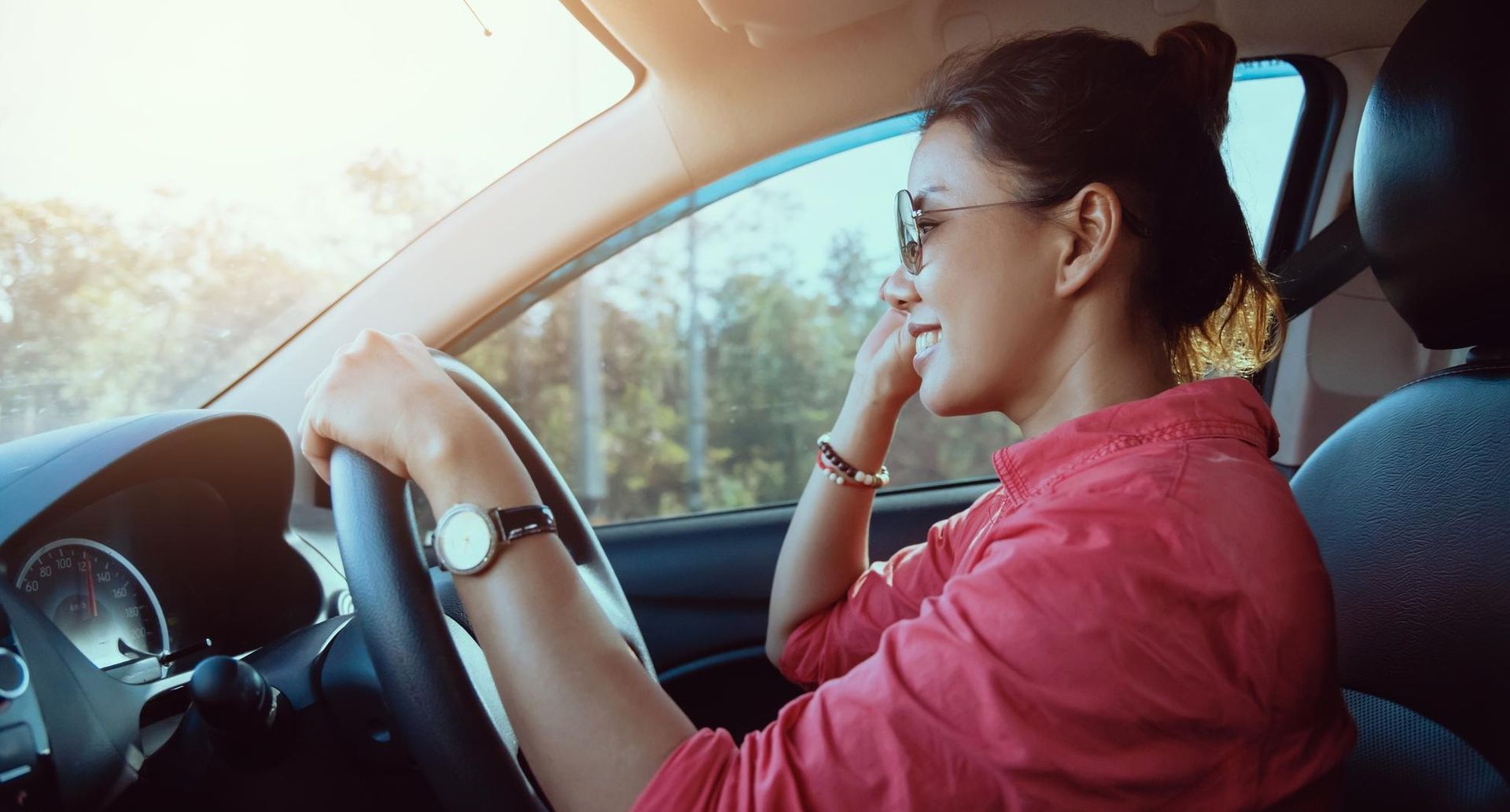
Because drivers in the U.S. sit on the left, the driver's side window exposes the left arm, hand, and side of the face to sunlight for years. Research has linked this pattern to higher rates of skin cancer and sun damage on the left side among U.S. drivers. Quality window film closes that gap.
Does Darker Window Tint Block More UV?
No. This is the most common misunderstanding about window tint.
The darkness of tint is measured in Visible Light Transmission (VLT). VLT describes visible light, not ultraviolet light. UV protection comes from UV inhibitors built into the film's layers, and premium manufacturers include them across their entire product line.
| Film Shade | Approximate Look | UV Protection With Quality Film |
|---|---|---|
| 70%–80% VLT | Nearly clear | More than 99% |
| 50% VLT | Light | More than 99% |
| 35% VLT | Medium | More than 99% |
| 20% VLT | Dark | More than 99% |
| 5% VLT | Limo dark | More than 99% |
That means you can choose your shade based on looks, privacy, glare, and Tennessee law, without giving up UV protection. Darker films do reduce more visible light and glare, and better films reduce more heat, but the UV protection stays the same across a premium lineup.
Types of Window Tint Compared for UV Protection
Here's how the main types of automotive window film compare on UV protection and the other factors that affect your drive:
| Film Type | UV Protection | Heat Rejection | Signal Interference | Fade/Color Stability | Best For |
|---|---|---|---|---|---|
| Infrared-rejecting ceramic (e.g., LLumar IRX) | 99%+ | Best | None | Excellent | Maximum UV and heat protection |
| Nano-ceramic (e.g., LLumar CTX) | 99%+ | Superior | None | Excellent | Strong all-around performance |
| Nearly clear ceramic (e.g., LLumar AIR) | 99%+ | Superior for its shade | None | Excellent | UV protection without a dark look |
| Premium dyed (e.g., LLumar ATC) | 99%+ | Good | None | Good | Budget-friendly UV protection and style |
| Metallized | Typically high | Excellent | Can interfere with signals | Good | Heat reflection; less common today |
| Cheap or unbranded film | Unverified | Low | Varies | Poor; can bubble or turn purple | Not recommended |
The Best Overall: Ceramic Window Tint
For most drivers today, ceramic film is the best choice. It delivers 99%+ UV protection plus the strongest heat rejection, and it won't interfere with phones, GPS, keyless entry, or satellite radio. Since heat and visible light also contribute to interior fading, ceramic film gives your dashboard and upholstery more complete protection than UV blocking alone.
The Best for Visibility: Nearly Clear Ceramic Film
If you want UV protection but don't want your car to look tinted, a nearly clear film like LLumar AIR is an excellent choice. It blocks more than 99% of UV rays and reduces heat while keeping your windows bright and clear. It's ideal for drivers who do a lot of night driving or who simply prefer the factory look.
The Best Budget Option: Premium Dyed Film
Quality dyed film still blocks more than 99% of UV rays. It costs less than ceramic but rejects less heat. Make sure it's a color-stable film from an established manufacturer, since cheap dyed films can fade and turn purple over time.
Which Window Tint Is Best for Your Situation?
Different drivers have different priorities. Here's how to narrow your choice.
Daily Commuters and Highway Drivers
If you spend an hour or more a day on I-75 between Athens, Cleveland, Knoxville, or Chattanooga, your skin gets steady exposure through the side windows. An infrared-rejecting or nano-ceramic film offers the best mix of UV protection, heat rejection, and comfort.
Parents With Young Children
Children's skin is especially vulnerable to sun damage, and kids in car seats often can't move out of direct sunlight. Ceramic film on the rear side windows protects them from UV without the need for sun shades that block your view.
Drivers With Sun-Sensitive Conditions
People with conditions like lupus, a history of skin cancer, or sensitivity caused by certain medications benefit from maximum protection. A high-performance ceramic film is the best choice. Tennessee allows medical exemptions for darker tint with proper documentation if a physician recommends it.
Drivers Who Want to Keep the Factory Look
Choose a nearly clear ceramic film. It provides full UV protection and noticeable heat reduction while keeping your windows looking stock.
Vehicles With Factory Privacy Glass
Factory privacy glass looks dark, but it's pigmented glass that only partly blocks UV and rejects little heat. Adding a quality film over privacy glass adds 99%+ UV protection and significant heat rejection.
What to Look for on a Window Tint Spec Sheet
Not all "UV-blocking" claims are equal. Here's what to check before you buy.
UV Rejection Percentage
Look for a stated UV rejection of more than 99%. Reputable manufacturers publish this number for every film in their line.
Skin Cancer Foundation Recommendation
The Skin Cancer Foundation recommends window film as part of a comprehensive sun protection program. Many premium films carry its recommendation, and that's a good sign that the UV performance claims are tested and verified.
Heat Rejection
Total Solar Energy Rejected (TSER) and infrared rejection numbers tell you how well a film reduces heat. Higher numbers mean a cooler cabin and less fading.
Color Stability and Warranty
A film is only protective while it stays on the glass and in good condition. Look for a lifetime manufacturer's warranty that covers bubbling, peeling, cracking, and color change.
Authorized Installer
Warranties typically require installation by an authorized dealer. Buying from an authorized dealer also ensures you're getting genuine film, not a knockoff with exaggerated claims.
What Window Tint Is Legal in Tennessee?
Since UV protection doesn't depend on darkness, staying legal won't cost you any protection. Here's a general overview of Tennessee's rules:
| Window | Tennessee Rule |
|---|---|
| Windshield | Non-reflective tint above the manufacturer's AS-1 line |
| Front side windows | At least 35% VLT |
| Rear side windows | At least 35% VLT |
| Rear window | At least 35% VLT |
Tennessee also limits tint reflectivity and allows medical exemptions for qualifying conditions. VLT is measured through the film and glass together, so your installer should select a film that keeps the final reading legal. Tint laws can change, so confirm current rules with the Tennessee Department of Safety and Homeland Security or a knowledgeable local installer.
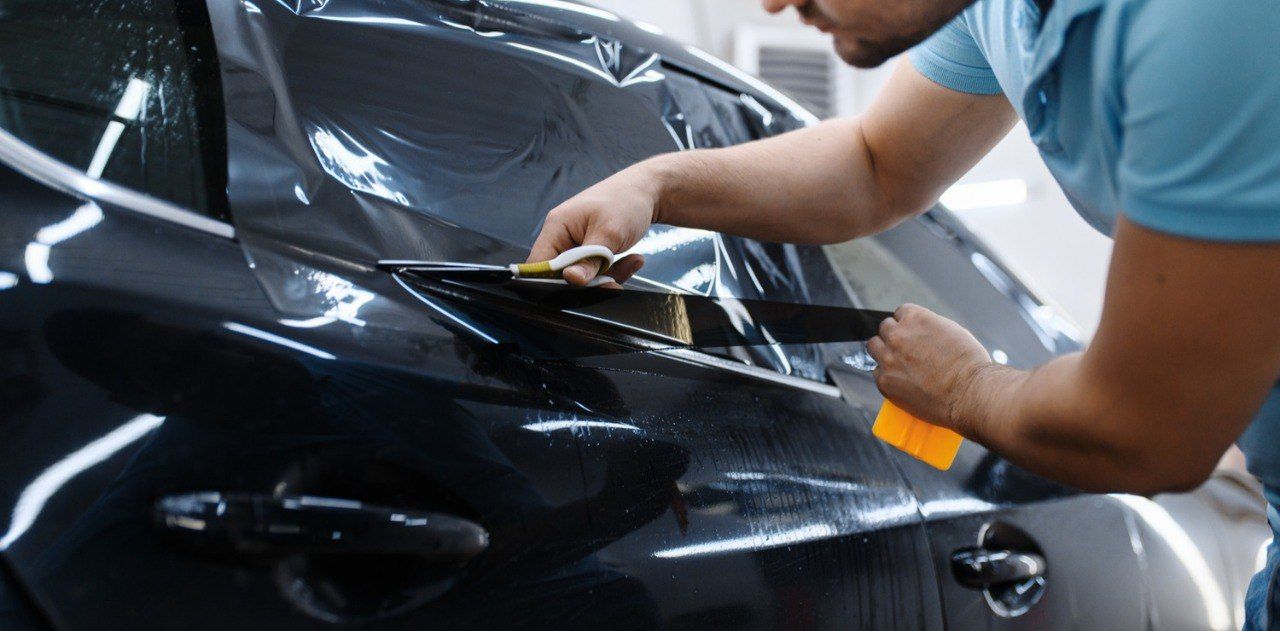
How Professional Installation Protects Your UV Coverage
UV protection only works where the film fully covers the glass. Gaps along the edges let UV through, and a poor installation can fail early.
Step 1: Consultation and Film Selection
Your installer reviews your goals, whether that's maximum heat rejection, a factory look, or a medical need, and recommends a film and shade.
Step 2: Glass Preparation
The windows are thoroughly cleaned so dirt and debris don't end up trapped under the film.
Step 3: Precision Cutting
Film is cut to fit each window precisely, with edges as close to the frame as possible to minimize uncovered glass.
Step 4: Application and Heat-Forming
The film is applied to the inside of the glass and heat-formed to curved windows, especially the rear window, for full, smooth coverage.
Step 5: Curing
The film takes several days or longer to fully cure. Keep your windows rolled up for 3 to 5 days, and expect some temporary haziness while moisture evaporates.
How Long Does Window Tint UV Protection Last?
With premium, color-stable film, UV protection is designed to last as long as the film stays on the glass in good condition. To keep your tint working:
- Wait a week after installation before cleaning the inside of tinted windows.
- Use an ammonia-free cleaner with a soft cloth or rubber squeegee.
- Never scrape tinted windows with blades or abrasive pads.
- Replace damaged film rather than leaving scratches, tears, or peeling edges.
If your car has old tint that's bubbling, peeling, or turning purple, it's time to replace it. Old film should be professionally removed to avoid damaging the rear defroster lines.
Why East Tennessee Drivers Choose Elite Audio & Window Tinting
Elite Audio & Window Tinting is a locally owned, authorized LLumar dealer in Athens. Every LLumar automotive film the shop installs blocks more than 99% of harmful UV rays. That includes infrared-rejecting ceramic IRX, nano-ceramic CTX, premium dyed ATC, and nearly clear AIR. The films are color-stable and backed by a lifetime limited warranty, so they won't turn purple like cheap films sold elsewhere.
The trained installers take time to understand how you drive and who rides with you. They'll recommend the right film for your skin protection, comfort, and Tennessee's laws. As a one-stop shop, Elite Audio & Window Tinting also offers paint protection film, ceramic coating, vinyl wraps, and car audio and electronics. The shop serves Athens, Cleveland, Sweetwater, Etowah, Madisonville, Knoxville, Chattanooga, Lenoir City, Dayton, Oak Ridge, and the surrounding areas.
Frequently Asked Questions About UV-Blocking Window Tint
Which window tint blocks the most UV?
Premium films from established manufacturers block more than 99% of UV rays. Ceramic films are the best overall choice because they combine that UV protection with the highest heat rejection.
Does darker tint block more UV rays?
No. UV protection comes from UV inhibitors in the film, not its darkness. A nearly clear premium film can block as much UV as a limo-dark one.
Do car windows already block UV rays?
Windshields block most UVA, but side and rear windows often let a significant amount through. Window film adds more than 99% UV protection to those windows.
Is clear window film effective for UV protection?
Yes. Nearly clear ceramic films like LLumar AIR block more than 99% of UV rays while keeping your windows looking factory-clear.
Is ceramic tint worth it for UV protection?
If UV protection is your only goal, any premium film will do. Ceramic film adds much better heat rejection, which improves comfort and reduces interior fading.
Does window tint protect my car's interior?
Yes. UV is the main cause of fading and cracking in dashboards and upholstery. Blocking more than 99% of UV, along with reducing heat, helps your interior last longer.
Can I get darker tint in Tennessee for medical reasons?
Tennessee allows medical exemptions for darker tint with proper documentation. Since UV protection doesn't depend on darkness, a legal-shade premium film already provides full UV protection.
Protect Your Skin and Your Interior With the Right Window Tint
The best window tint for UV protection today is a premium, color-stable film that blocks more than 99% of UV rays. For most drivers, ceramic film is the top choice because it adds strong heat rejection and interior protection. If you prefer a factory look, a nearly clear ceramic film gives you full UV protection without a dark appearance. Since shade doesn't affect UV blocking, you can stay within Tennessee law and still get complete protection for everyone in your vehicle.
Ready to protect yourself and your passengers? Visit Elite Audio & Window Tinting at 2515 Congress Pkwy S in Athens, or call (423) 744-9119. You can also request a free estimate online and compare shades with the automotive film viewer before you book.