Can PPF Protect Your Car From Tennessee Road Salt Damage?
If you drive in East Tennessee, you already know winter isn't just cold — it's corrosive. Between icy mountain roads, frequent freeze-thaw cycles, and heavy salt and brine treatments on highways around Athens and McMinn County, your vehicle's paint takes a beating every winter whether you notice it or not. So it's a fair question: can paint protection film (PPF) actually stop road salt from damaging your car, or is it just marketing?
The short answer is yes — properly installed, high-quality PPF is one of the most effective ways to protect your vehicle's paint and undercarriage-adjacent panels from the corrosive effects of road salt, brine, and de-icing chemicals. It works as a physical barrier that keeps salt, moisture, and grit from ever reaching bare paint or metal. But not all PPF is created equal, and where it's applied matters just as much as whether you have it at all. Here's what Tennessee drivers need to know about how road salt damages vehicles, how PPF actually defends against it, and what to expect from a professional installation.

How Road Salt Actually Damages Your Car
Before understanding how PPF helps, it's worth understanding exactly what road salt does to a vehicle over time.
Salt Accelerates Corrosion and Rust
Sodium chloride and calcium chloride, the main ingredients in road salt and brine, are highly conductive and corrosive. When salt-laden water splashes onto your car and sits in contact with painted metal — especially in rock chips, door edges, wheel wells, and lower body panels — it speeds up oxidation dramatically. What might take years to rust under normal conditions can happen in a single harsh winter once salt gets into a paint chip or seam.
Freeze-Thaw Cycles Make It Worse
East Tennessee's winters aren't consistently frozen — they cycle between freezing overnight and thawing during the day. This constant expansion and contraction of moisture trapped in small chips or scratches works salt deeper into the metal, accelerating corrosion in a way that steadier, colder climates don't experience as severely.
Salt Attacks Weak Points First
Rock chips, door edge nicks, and scratches from daily driving are already weak points in your paint's protective clear coat. Road salt finds these vulnerabilities immediately, which is why cars that already have minor stone chip damage tend to rust and corrode far faster once winter salt season starts.
It's Not Just Cosmetic
Unaddressed corrosion doesn't stay on the surface. Left long enough, rust can spread beneath the paint, weaken structural body panels, and significantly reduce a vehicle's resale value — a real concern for Athens-area drivers who want to protect a long-term investment.
How Paint Protection Film Defends Against Salt Damage
PPF, sometimes called clear bra, is a thick, transparent urethane film applied directly to your vehicle's paint. Here's how it actually stops salt from causing harm.
1. A Physical Barrier Between Salt and Paint
PPF sits directly on top of your factory paint, meaning road salt, brine spray, and grit never make direct contact with the clear coat or metal underneath. Instead of settling into the paint's pores or existing chips, salt sits on the film's surface where it simply washes off.
2. Chip and Scratch Resistance Prevents the Entry Point
Since salt does its worst damage by getting into rock chips and scratches, preventing those chips in the first place is half the battle. Quality PPF, like LLumar's line, is engineered to absorb impacts from road debris, gravel, and stones, which means fewer chips for salt to exploit in the first place.
3. Self-Healing Properties Keep the Barrier Intact
Modern PPF products feature self-healing top coats that respond to heat (from sun or warm water) by smoothing out minor scratches and swirl marks on their own. This keeps the film's surface intact over time, rather than accumulating its own network of micro-scratches that could eventually let salt through.
4. Coverage on the Panels That Take the Worst of It
Lower rocker panels, front bumpers, wheel wells, mirrors, and door edges catch the most road spray and salt exposure during winter driving. These are exactly the areas PPF is most commonly applied to, giving targeted protection where Tennessee winters do the most damage.
PPF Coverage Options for Salt Protection
Not every driver needs (or wants to pay for) full-vehicle coverage. Here's how the common PPF packages compare when it comes to winter salt protection specifically.
Coverage Level What's Protected Best For Relative Cost Partial Front (Bumper, Hood Edge, Mirrors) Most-exposed impact zones Daily commuters wanting core protection $ Full Front End Bumper, full hood, fenders, mirrors Highway drivers, frequent winter travel $$ Track/Rocker Package Lower rocker panels and door edges Drivers concerned about splash and salt spray $$ Full Vehicle Wrap Entire painted exterior Maximum protection, resale value focus $$$ For salt-specific concerns, many Athens-area drivers find that adding a rocker panel and lower door edge package to a standard front-end PPF application offers the best balance of protection and cost, since those areas see the heaviest direct salt spray from tires and road splash.
What PPF Won't Do — Setting Realistic Expectations
PPF is highly effective, but it's worth understanding its limits so you know what else your vehicle may need.
It Doesn't Cover the Undercarriage
Standard PPF is applied to visible exterior body panels, not the frame, exhaust, or undercarriage components underneath the vehicle. Those areas are typically protected through separate undercoating or rust-proofing treatments, not PPF.
It's Not a Substitute for Washing Off Salt
PPF dramatically reduces the risk of salt reaching your paint, but salt sitting on the film's surface for extended periods can still contribute to grime buildup and, over time, affect the film's appearance if never rinsed off. Regular washing during winter months remains important.
Installation Quality Still Matters
Like any film product, PPF that's poorly installed with trapped debris, bad edge sealing, or rushed application can allow moisture and salt to work underneath the film at the edges. Professional installation with proper edge wrapping is essential to getting the full protective benefit.
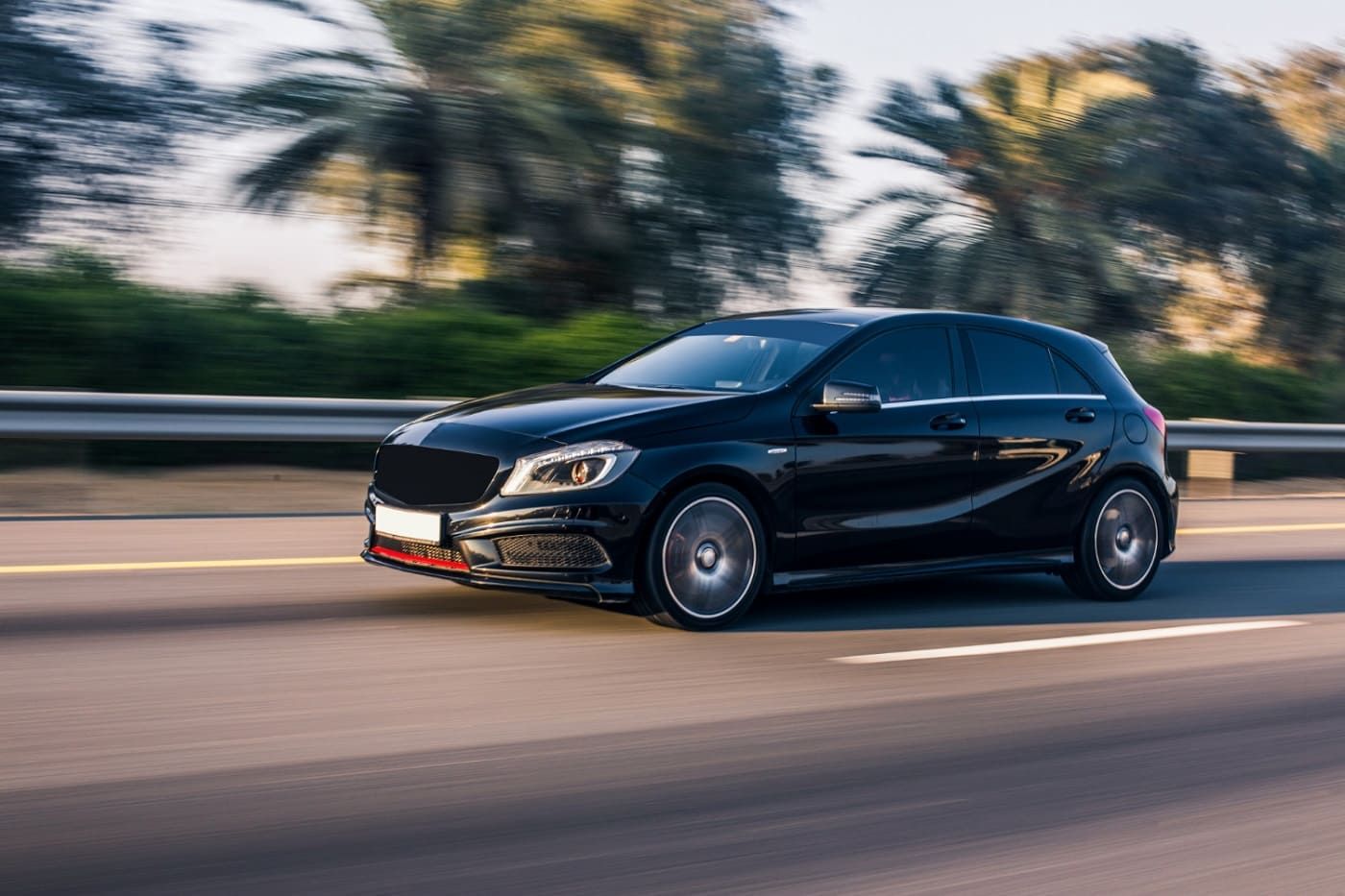
Combining PPF With Ceramic Coating for Extra Protection
Many Athens drivers pair PPF with a ceramic coating for maximum defense against Tennessee winters. While PPF provides a physical barrier against chips and salt intrusion, ceramic coating adds a hydrophobic layer on top that helps salt spray, brine, and grime bead up and slide off more easily during washing, rather than clinging to the surface. Together, they reduce both the physical damage risk and the amount of time corrosive salt residue sits on your vehicle between washes.
Why Athens Drivers Trust Elite Audio & Window Tinting
Elite Audio & Window Tinting in Athens, TN is an authorized LLumar dealer, offering professional paint protection film installation backed by LLumar's manufacturer warranty. From targeted front-end and rocker panel packages to full-vehicle coverage, the certified installation team focuses on proper edge sealing and clean application, so Tennessee winters don't find a way underneath the film. The shop also offers ceramic coating services for drivers who want to combine both layers of protection heading into salt season.
Frequently Asked Questions
Does PPF really stop road salt from damaging car paint?
Yes. PPF creates a physical barrier between road salt, brine spray, and grit and your vehicle's factory paint, which prevents the corrosive chemicals in salt from settling into chips and scratches where rust typically starts.
Which parts of my car need PPF most for salt protection in Tennessee?
The front bumper, hood edge, mirrors, lower rocker panels, and door edges take the brunt of road spray and salt exposure during winter driving, making them the highest-priority areas for PPF coverage.
Does PPF prevent rust completely?
PPF significantly reduces the risk of rust by keeping salt and moisture from reaching bare paint and metal through chips and scratches, but it doesn't replace good winter car care habits like regularly washing off accumulated salt and brine.
Is PPF or ceramic coating better for winter salt protection?
They serve different purposes and work best together. PPF provides a physical barrier against chips and salt intrusion, while ceramic coating adds a slick, hydrophobic surface that helps salt and grime rinse off more easily.
How long does PPF last on a vehicle exposed to Tennessee winters?
Quality PPF from a reputable manufacturer, professionally installed, is designed to hold up for years of seasonal exposure to salt, road debris, and weather, and is typically backed by a manufacturer's warranty against yellowing, cracking, or lifting.
Protect Your Investment Before Winter Hits
Tennessee winters are hard on vehicles, but they don't have to be hard on your paint. Elite Audio & Window Tinting installs professional-grade LLumar paint protection film designed to stand up against road salt, rock chips, and everything East Tennessee winters throw at your car.
Contact Elite Audio & Window Tinting at (423) 744-9119 or visit the shop at 2515 Congress Pkwy S, Athens, TN 37303 to schedule a free PPF estimate before the first freeze hits.