Is Ceramic Window Tint Worth It for Tennessee Heat?
Tennessee summers can feel like a heat and humidity stress test for your vehicle. If you drive in
Athens, TN or nearby East Tennessee areas like Cleveland, Sweetwater, Etowah, or Chattanooga, you already know what June through September brings: high UV exposure, sticky humidity, and cabin temperatures that spike fast in parking lots and stop and go traffic. That reality is why so many local drivers ask the same question:
Is ceramic
window tint worth it for Tennessee heat? In 2026, ceramic tint has become the preferred premium option because it can block up to
80% of infrared heat while many standard dyed films typically block closer to
30 to 40% . Ceramic technology uses nano ceramic particles to reduce heat without metal, helping avoid signal issues and delivering clear visibility. Just as important for Tennessee, quality ceramic film is built to handle humidity with better resistance to fading, bubbling, and color shift. If comfort, UV protection, and long term durability matter to you, ceramic tint is usually a smart investment.
Table of Contents
- Why Tennessee heat and humidity raise the stakes
- What ceramic window tint is and how it works
- Key ceramic tint benefits for Tennessee drivers
- Real world performance in East Tennessee summers
- Ceramic vs standard tint cost in Tennessee
- How long ceramic tint lasts in Tennessee
- How to decide if ceramic tint is worth it for you
- Comparison charts for Tennessee climate
- FAQ
1) Why Tennessee heat and humidity raise the stakes
Direct answer: Ceramic tint tends to be more valuable in Tennessee than in milder climates because the combination of high temperatures, intense sun, and humidity amplifies the difference between standard tint and high performance ceramic film.
East Tennessee heat is not just about the thermostat reading. Humidity increases the way heat feels on your skin, and it can also affect how quickly your interior becomes uncomfortable. When your car sits in the sun, the greenhouse effect builds fast, and humidity inside the cabin can make that heat feel even heavier.
For drivers around Athens and the I 75 corridor, summer driving can mean long daytime commutes, errand runs with frequent stops, and parking in unshaded lots. Those are ideal conditions for infrared heat control to matter, because infrared energy is a major contributor to the sensation of heat through glass even when the air conditioner is running.
Why humidity matters for tint performance
Humidity does not automatically ruin window film, but it can expose weaknesses in lower grade products and poor installation. Films that rely heavily on dyes, or adhesives that are not engineered for longevity, may be more prone to visible aging over time. In Tennessee, that can look like discoloration, haze, or edge issues that show up earlier than you would expect.
Why the “worth it” question is especially common in Tennessee
Many drivers are deciding between a standard dyed tint package and a ceramic upgrade. The price difference can feel significant at checkout, but the comfort difference is often felt within the first week of hot weather. If you have ever gotten into your car in July and immediately turned the AC to max, you already understand the problem ceramic tint is designed to solve.
2) What ceramic window tint is and how it works
Direct answer: Ceramic window tint uses nano ceramic particles embedded in the film to block infrared heat and UV rays without relying on metal layers or heavy dyes.
There are several common window tint categories you will hear in Athens, Cleveland, and Chattanooga tint shops: dyed tint, carbon tint, and ceramic tint. The big difference is what each film is designed to do beyond simply darkening the glass.
Standard dyed tint (what it is designed to do)
Dyed film primarily reduces glare and adds privacy by absorbing visible light. It can offer some heat reduction, but it is not built to maximize infrared rejection. Over time, dyed films are more likely to fade or shift color compared to premium options, especially if you park outside frequently.
Carbon tint (a mid tier option)
Carbon films generally provide better heat performance and color stability than basic dyed films. Many drivers consider carbon a good balance when the goal is improved comfort without going all the way to ceramic. Results vary widely by brand and product line.
LLumar ceramic tint (the premium approach)
LLumar ceramic window tint is positioned as a premium solution because it focuses on infrared heat rejection, strong UV protection, and long term stability. Instead of depending on dyes, ceramic film uses engineered ceramic technology to reduce the heat you feel through the glass while maintaining clarity.
If you are researching “ceramic tint Tennessee heat,” what you are really researching is performance: how much less heat the sun pushes into the cabin, how clear the film looks at night, and how well the product holds up after years of real Tennessee summers.
3) Key ceramic tint benefits for Tennessee drivers
Direct answer: For Tennessee drivers, the most meaningful ceramic tint benefits are superior infrared heat rejection, strong UV protection, humidity resistant durability, clear optics, and no metal based signal issues.
Superior heat rejection that you can feel
In the context of “heat rejection Tennessee,” ceramic film’s advantage is usually most noticeable on side glass and the rear glass where the sun can bake the interior. By blocking a larger portion of infrared energy, ceramic tint helps reduce the heat load your AC has to fight against.
That can translate into quicker cooldown times, less discomfort on your skin during long drives, and a cabin that feels more consistent in stop and go traffic. For drivers who spend a lot of time in the car, those comfort gains can be the difference between “tint is nice” and “tint is necessary.”
UV protection for people and interiors
High quality ceramic films are known for strong UV blocking. UV exposure is linked to fading and cracking of interiors, and it is also a personal comfort and skin health concern. If your vehicle is a long term keeper, UV protection helps preserve the look and feel of the cabin.
Humidity resistance and long term stability
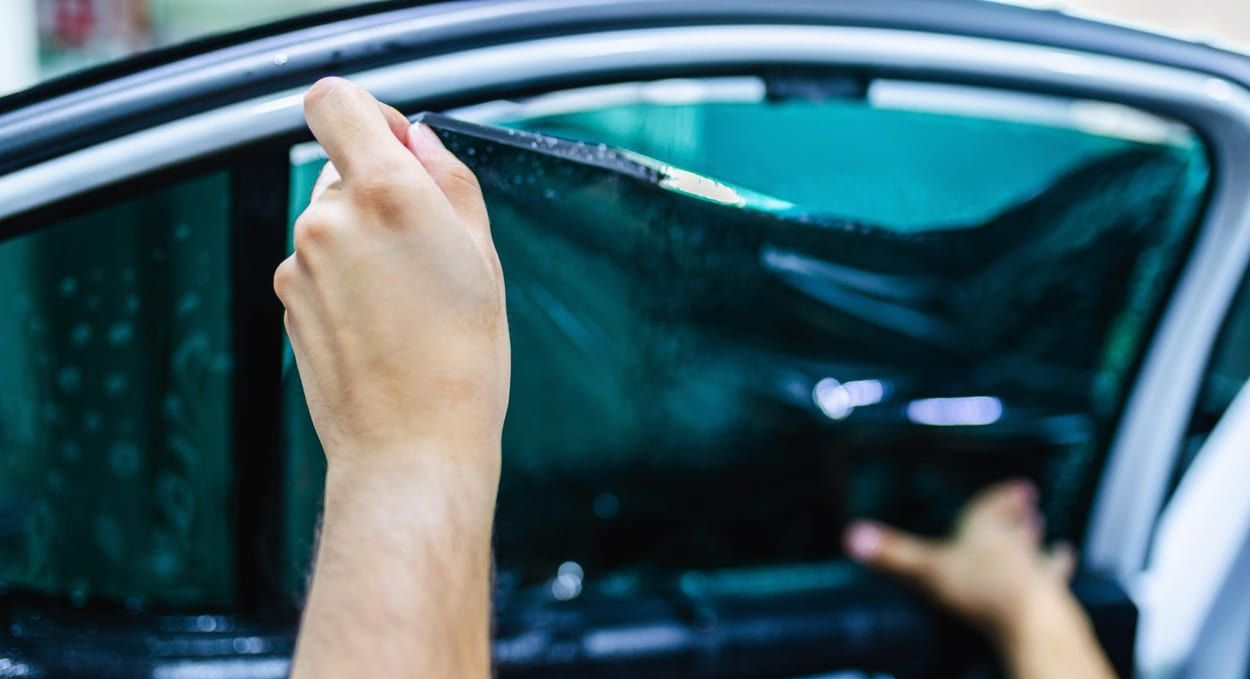
Tennessee’s humidity can be relentless in summer, and the practical advantage of premium film is stability. Better films are built to resist common cosmetic aging like fading, purple shift, or haze. Installation quality matters too, which is why professional window tinting in Athens, TN is an important part of the overall outcome.
No metal layers means fewer connectivity worries
Many drivers ask about GPS, radio, and phone performance. Ceramic tint avoids the metal layers found in some older style films, so it is often chosen by drivers who do not want to gamble on connectivity issues, especially in vehicles with lots of onboard tech.
Clarity for night driving in rain and glare
Optical clarity is not just a luxury feature. In East Tennessee, summer storms can create glare, reflections, and low visibility. Quality ceramic films are designed to maintain a clean, crisp look through the glass, which matters when you are driving at night, in the rain, or on rural roads outside Athens and Sweetwater.
4) Real world performance in East Tennessee summers
Direct answer: In real Tennessee summer conditions, ceramic tint typically delivers noticeably better comfort than standard dyed tint, especially on 90 to 100°F days with high humidity and intense sun exposure.
What “better comfort” usually looks like
- Faster cooldown: The AC can bring the cabin down to a comfortable temperature sooner.
- Less radiant heat: Your arms, legs, and face feel less “sun burn heat” through the glass.
- More stable cabin temps: The interior fluctuates less when the sun angle changes.
While every vehicle and film shade is different, the pattern is consistent. When infrared rejection goes up, the cabin feels less harsh. This is why “ceramic window tint benefits” content performs well in People Also Ask and voice search. Drivers want a clear, practical answer: will it actually feel better on the road?
Long commutes, school runs, and weekend driving
If you commute toward Chattanooga or Cleveland, ceramic tint can be particularly noticeable during midday drives, long highway stretches, and when you are sitting in traffic. For families, it can also matter on school runs where kids are in the back seat near side glass for extended time.
Does ceramic tint help your vehicle’s HVAC system?
Ceramic tint does not replace air conditioning, but it can reduce the heat load that the system has to overcome. Many drivers describe the difference as “the AC feels like it works better,” because the cabin is not constantly gaining as much heat through the glass.
How humidity interacts with film quality
Humidity does not make ceramic film “work harder,” but it does reveal durability differences. Premium film and professional installation help reduce the chances of edge issues over time. If you park outdoors in Athens or Chattanooga and your vehicle lives in full sun, durability becomes part of your comfort calculation.
5) Ceramic vs standard tint cost in Tennessee
Direct answer: Ceramic tint costs more up front than standard dyed tint, but in Tennessee heat the performance difference often justifies the upgrade for drivers who value comfort, UV protection, and long term durability.
When people search “ceramic vs standard tint Tennessee,” they usually want a simple decision framework. Here are the main cost drivers:
- Film technology: Ceramic film is engineered for heat control and clarity.
- Warranty backing: Premium products commonly include stronger warranty coverage.
- Installation time: Quality work takes time, especially on complex glass.
When standard tint may be enough
Standard dyed tint can be a reasonable fit if your main goal is glare reduction and privacy, you drive fewer miles, and you usually park in shade or a garage. It can also make sense if you are preparing a vehicle for sale and want a budget friendly improvement.
When ceramic is usually the better value
Ceramic is often the better fit if you drive daily, park outdoors, take frequent highway trips, or simply dislike that “hot glass” feeling on your skin. In Tennessee, the comfort value compounds because the hot season is long and the sun intensity is high.
If you are in the Athens area and searching for “window tint Athens TN,” ask for a quote that clearly lists film type. Not all “upgrades” are equal, and clarity about what you are buying helps you compare fairly.
6) How long ceramic tint lasts in Tennessee and warranties
Direct answer: With premium film like LLumar ceramic tint and professional installation, ceramic window tint is built for long service life, and strong warranty coverage helps protect your investment in Tennessee’s heat and humidity.
“How long does ceramic tint last in Tennessee heat and humidity?” is a common question because drivers have seen older dyed films turn purple or haze out. While exact lifespan depends on product line, vehicle exposure, and installation quality, premium ceramic film is intended to stay stable far longer than entry level options.
What can shorten tint life in Tennessee
- Constant outdoor parking in direct sun without shade
- Improper cleaning products or abrasive tools on the inside glass
- Low quality film or rushed installation
- Older window seals that allow moisture issues around edges
What warranty coverage typically protects
Warranty terms vary by product and installer, but premium warranties commonly address film defects such as discoloration, bubbling, or adhesive failure. When evaluating “ceramic tint worth it Tennessee,” warranty support is part of the value, because it reduces the risk of paying twice.
Elite Audio & Window Tint can explain the
LLumar film options available and the warranty coverage that comes with each, so you can match film performance to your budget and vehicle goals.
7) How Athens and East Tennessee drivers should decide
Direct answer: Ceramic tint is worth it for Tennessee drivers who prioritize cabin comfort, frequent driving, outdoor parking, UV protection, and long term ownership.
Use this quick decision checklist
- You should strongly consider ceramic if: you commute daily, drive midday often, park outdoors, have kids in the back seat, or want the best heat rejection Tennessee drivers can get.
- Carbon may be a good compromise if: you want improved comfort and better stability than dyed, but your budget is tight.
- Dyed may be fine if: your main goal is privacy and glare reduction and you have limited exposure to peak sun.
Heat sensitivity and comfort priorities
If you are heat sensitive, ceramic tint can feel like a quality of life upgrade. Many drivers do not realize how much radiant heat they tolerate until it is reduced. That is why this topic tends to earn featured snippet placements when the content answers “is ceramic window tint worth it for Tennessee heat” clearly and early.
Vehicle type and use cases
Large glass areas, dark interiors, and vehicles that spend time in traffic benefit more. Daily drivers, family SUVs, and trucks used for work are all strong candidates. EV owners may also care about thermal comfort to reduce HVAC load, though the biggest immediate benefit is still how the cabin feels in the sun.
Talk to a local expert for shade and legality guidance
Tint laws and recommended shades can vary by vehicle and usage. A consultation with
Elite Audio & Window Tint helps you choose a legal tint level that fits your goals, and ensures the installation is clean and durable in Tennessee’s climate.
Comparison charts for Tennessee climate
Note: The comparisons below are generalized to help you understand typical performance differences. Exact results vary by brand, product line, and tint shade.
Comparison chart: dyed vs carbon vs ceramic (Tennessee)
- Heat rejection (TN summer): Dyed = Low to moderate, Carbon = Moderate, Ceramic = High (often best for infrared control)
- Humidity and fade resistance: Dyed = Lower, Carbon = Better, Ceramic = Best (typically strongest stability)
- UV protection percentage: Dyed = Moderate to high (varies), Carbon = High (varies), Ceramic = Very high (often marketed as 99%)
- Cabin temperature reduction: Dyed = Small, Carbon = Noticeable, Ceramic = Most noticeable
- Signal interference: Dyed = None, Carbon = None, Ceramic = None (no metal layer)
- Durability in heat and humidity: Dyed = Lower, Carbon = Good, Ceramic = Excellent
- Price range: Dyed = Lowest, Carbon = Mid, Ceramic = Highest
- Overall value for Tennessee drivers: Dyed = Value for privacy, Carbon = Balanced, Ceramic = Best for comfort and longevity
Real world cabin temperature example (typical TN summer day)
On a sunny afternoon in East Tennessee, interior temperatures can climb quickly. The numbers below are illustrative examples to show the type of difference drivers often feel.
- No tint: Cabin heat rises fastest, hottest steering wheel and seat surfaces, AC works hardest
- Standard dyed tint: Some glare reduction, modest comfort improvement, heat still feels intense through side glass
- LLumar ceramic tint: Noticeably reduced radiant heat sensation, more stable cabin comfort, easier cooldown after parking
FAQ: Ceramic tint for Tennessee heat (15 questions)
Is ceramic tint worth it for Tennessee heat and humidity?
Yes for most daily drivers. Tennessee’s heat and humidity make the comfort and durability advantages of ceramic tint easier to justify.
How much cooler does ceramic tint keep your car in Tennessee summer?
It varies, but many drivers notice faster cooldown and less radiant heat through the glass, especially during June through September.
Does ceramic tint work better than regular tint in humid climates?
Generally yes. Premium ceramic films are designed for stability and can be less prone to fading or cosmetic aging compared to basic dyed film.
Is ceramic tint worth the extra cost in Tennessee?
If comfort is a top priority, the upgrade often pays off in day to day driving because the hot season is long and intense.
How much heat does ceramic tint block in Tennessee?
High performance ceramic tint can block up to about 80% of infrared heat, while many standard dyed films may be closer to 30 to 40%.
Does ceramic tint prevent fading and bubbling in Tennessee humidity?
No film is immune to poor installation, but premium ceramic film and professional installation reduce the risk of discoloration and bubbling over time.
Does ceramic tint interfere with phone or GPS signal?
Ceramic tint does not rely on metal layers, so signal interference concerns are typically minimal compared to some metallic films.
How long does ceramic tint last in Tennessee heat and humidity?
With premium film like LLumar and proper installation, ceramic tint is designed for long term performance, often far longer than basic dyed film.
What percentage of UV rays does ceramic tint block?
Many premium ceramic films are marketed as blocking up to 99% of UV rays. Ask your installer for the specs of the exact film line.
Is ceramic tint worth it for older vehicles in Tennessee?
Often yes. If the vehicle is mechanically solid and you plan to keep it, ceramic tint can improve comfort and protect the interior from UV aging.
How much does ceramic tint cost in Athens, TN?
Pricing depends on vehicle type, number of windows, and film line. Elite Audio & Window Tint can provide a quote based on your car and goals.
Does ceramic tint keep your car cooler than air conditioning alone?
It complements AC. Ceramic tint reduces incoming heat through glass, which can make the cabin feel cooler and help the AC reach comfort faster.
Does ceramic tint help with Tennessee summer electric bills for EVs?
It may help indirectly by reducing HVAC load, but the most reliable, immediate benefit is improved cabin comfort and reduced radiant heat.
What warranty comes with ceramic window tint?
Warranty coverage varies by product. Premium films often include strong protection against defects like bubbling or discoloration. Confirm the exact terms with your installer.
What does Elite Audio & Window Tint recommend for Tennessee climate?
For drivers who want maximum heat rejection and long term performance in East Tennessee conditions, LLumar ceramic tint is a strong choice. The best option depends on your budget, shade preference, and how you use your vehicle.
Conclusion: Is ceramic window tint worth it for Tennessee heat?
Ceramic tint is absolutely worth it for many Tennessee drivers because it is built to address the exact problems that make summer driving uncomfortable here: strong sun, high humidity, and long stretches of hot weather. Compared to standard dyed tint, ceramic film delivers superior infrared heat rejection, strong UV protection, clear visibility, and better long term stability. That means measurable comfort improvements, a cabin that cools down faster, and a product that is designed to hold up through years of East Tennessee summers.
If you live in
Athens, Cleveland, Sweetwater, Etowah, or Chattanooga and you want a tint solution that is optimized for Tennessee climate performance,
contact
Elite Audio & Window Tint to discuss LLumar ceramic options, legal tint levels, and a professional installation that protects your investment.