What Are the Best Window Tint Options for Tesla Owners?
Tesla owners face a tinting decision that's a little different from a typical gas-powered car. Between Autopilot sensors, a cabin covered in glass on models like the Model 3 and Model Y, and the direct link between cabin heat and battery efficiency, choosing the wrong film can create real problems, not just a cosmetic disappointment. For Tesla drivers across Athens, Cleveland, and Knoxville, TN, picking the right tint means balancing heat rejection, sensor compatibility, and Tennessee's tint laws all at once.
Elite Audio & Window Tinting, an authorized LLumar dealer in Athens, TN, installs window film on Teslas regularly and has a clear read on which options actually work well with the vehicle's technology and which ones create headaches down the road. Here's how to choose the best window tint for your Tesla.
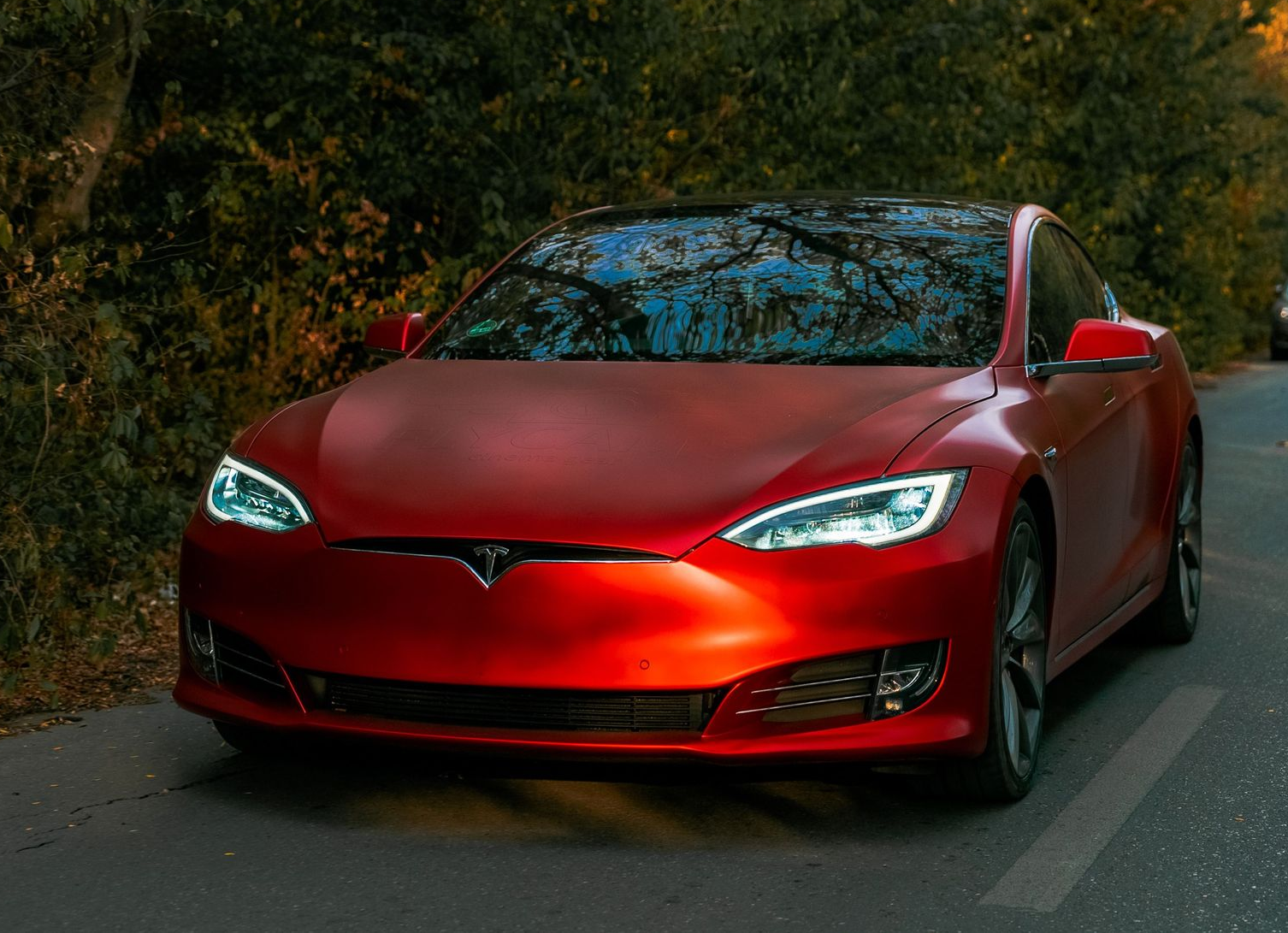
Why Tesla Owners Need to Think Differently About Tint
Standard window tint advice doesn't fully apply to a Tesla, for a few specific reasons tied to how the vehicle is built and how it operates.
Autopilot and Sensor Compatibility
Tesla vehicles rely on a network of cameras and sensors integrated around the body and behind the glass. Some film types, particularly older metalized films, can interfere with radio, GPS, and electronic signals. While Tesla's cameras are optical rather than radar-based in most current systems, choosing a film verified not to interfere with signal-based technology (GPS, Bluetooth, keyless entry) is still the safer standard for any tech-heavy vehicle.
Glass Roofs on Model 3 and Model Y
Many Tesla models feature a full-length glass roof rather than a traditional metal panel, which means cabin heat exposure is significantly higher than in most vehicles. This makes heat-rejecting film more than a comfort upgrade, it becomes a functional necessity for keeping the cabin manageable in Tennessee's hot, humid summers.
The Battery Efficiency Connection
Because a Tesla's air conditioning system draws directly from the same battery that powers the drivetrain, excess cabin heat translates into real energy use. Reducing solar heat gain through window film lightens the load on the AC system, which can help preserve range and reduce how often you need to charge.
Comparing Window Tint Types for Tesla Owners
Dyed Film
Dyed film is the most budget-friendly option. It darkens the glass and reduces glare, but its heat rejection is limited, and it does little to address the specific challenges of a glass-roofed EV. It's a reasonable choice only if privacy and cosmetic appearance are your sole priorities and budget is the primary constraint.
Metalized Film
Metalized film reflects heat and UV more effectively than dyed film, but it contains tiny metallic particles that carry a higher risk of interfering with electronic signals. For a technology-dependent vehicle like a Tesla, this is generally the option to avoid.
Ceramic Film
Ceramic film is the clear standout for Tesla owners. It uses non-metallic, non-conductive nano-ceramic particles to block heat and UV without any risk of signal interference. It delivers the strongest heat rejection of the three main film types, holds up well over years of sun exposure, and maintains excellent optical clarity, an important factor for a vehicle that relies on visibility for both the driver and onboard cameras.
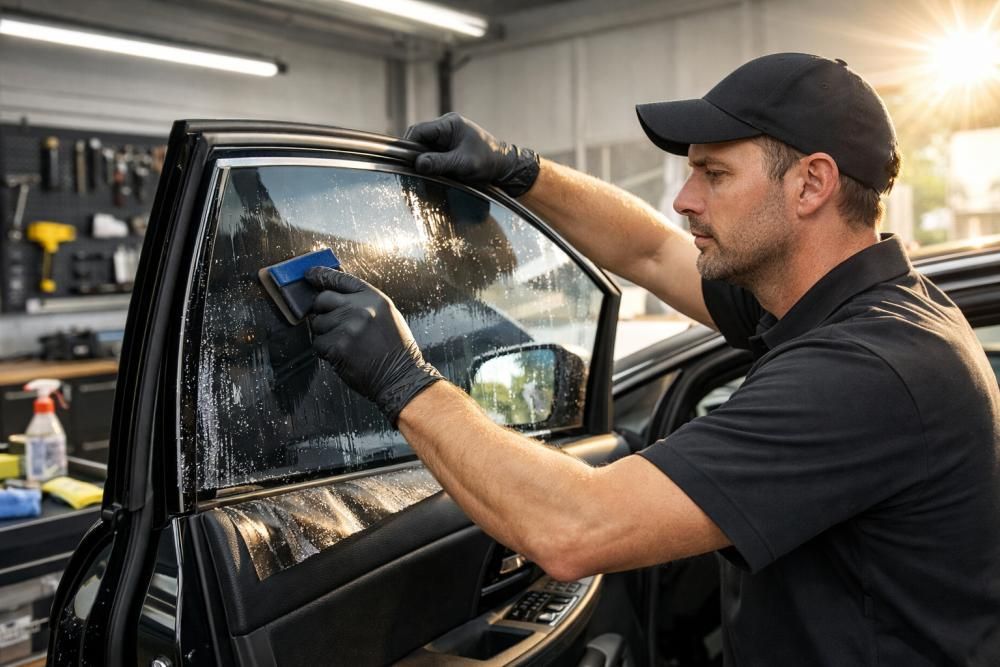
Ceramic vs. Dyed vs. Metalized Tint for Tesla: Side-by-Side
| Factor | Dyed Film | Metalized Film | Ceramic Film |
|---|---|---|---|
| Heat rejection | Low | Moderate to high | Highest |
| UV protection | Moderate | Good | Excellent (up to 99%) |
| Signal/electronics interference | None | Possible risk | None (non-metallic) |
| Optical clarity | Can appear hazy when dark | Reflective appearance | Clear, true to color |
| Best suited for glass roof heat | Limited benefit | Some benefit | Best performance |
| Battery/AC load reduction | Minimal | Moderate | Strongest |
| Durability over time | Fades faster | Moderate | Long-lasting |
| Recommended for Tesla | Budget option only | Not recommended | Best overall choice |
What Tint Level Should Tesla Owners Choose in Tennessee?
Tennessee law permits 35% VLT (Visible Light Transmission) on front side windows for passenger vehicles, with any level of darkness allowed on rear side windows and the back windshield. Within that legal range, most Tesla owners choose a mid-range ceramic tint that balances privacy and heat rejection without going so dark that it affects nighttime visibility. A professional installer can help you land on the right VLT percentage for your specific driving habits, whether that's frequent night driving, heavy daytime sun exposure, or a preference for maximum privacy on the rear windows.
Should You Tint the Windshield Too?
Because Tesla's front windshield extends further back than a typical vehicle and lets in significant heat and glare, many owners consider a clear or lightly tinted ceramic film for the windshield in addition to standard side and rear tint. A clear ceramic windshield film can reject a large share of UV and infrared heat while remaining virtually invisible, which keeps you compliant with windshield tint regulations while still improving comfort on long drives.
What About the Glass Roof?
Some Tesla owners choose to have ceramic film applied to the interior glass roof panel as well, since it's one of the largest sources of direct solar heat gain in the cabin. This isn't a legal requirement like window tint, but it's worth discussing with your installer if you frequently park outside or drive long distances in direct sun.
Frequently Asked Questions
What is the best window tint for a Tesla?
Ceramic film is the best overall choice for Tesla owners. It provides the strongest heat rejection and UV protection while posing no risk of interfering with the vehicle's electronics, GPS, or Bluetooth systems.
Will window tint interfere with my Tesla's Autopilot or sensors?
High-quality ceramic film is designed to be fully compatible with Tesla's sensors and technology. Metalized film carries more risk of signal interference and is generally not recommended for tech-heavy vehicles.
Does window tint actually help Tesla's battery range?
Yes. By blocking solar heat before it enters the cabin, quality window tint reduces how hard the air conditioning system has to work, which can help preserve battery range, especially during hot Tennessee summers.
Is window tint legal on a Tesla in Tennessee?
Yes, as long as it complies with Tennessee's tint laws: 35% VLT on front side windows, with any darkness allowed on rear side windows and the back windshield. A professional installer will ensure your tint choice stays within legal limits.
Should I tint my Tesla's glass roof?
It's optional but worth considering, especially on Model 3 and Model Y vehicles, since the glass roof is a major source of cabin heat. Ceramic film can meaningfully reduce that heat gain.
How long does it take to tint a Tesla?
Professional Tesla window tinting typically takes 2 to 4 hours, depending on the model and how many windows (and optionally the roof) are being tinted.
Does Tesla tint come with a warranty?
Reputable installers using LLumar film back their work with manufacturer warranties covering bubbling, peeling, and discoloration.
Get the Right Tint for Your Tesla in Athens, TN
Choosing window tint for a Tesla isn't just about darkness and style, it's about heat management, sensor compatibility, and protecting the technology that makes the vehicle work. Ceramic film consistently comes out ahead for Tesla owners on every factor that matters, from UV protection to battery efficiency to signal safety.
Elite Audio & Window Tinting, a trusted LLumar dealer serving Athens, Cleveland, and Knoxville, TN, specializes in professional Tesla window tinting with precision-fit installation and LLumar-backed warranties. Visit the shop at 2515 Congress Pkwy S, Athens, TN 37303, or call (423) 744-9119 for a free estimate on the right tint package for your Tesla.